Your How to set up a captive insurance company group are ready in this website. How to set up a captive insurance company are a commercial that is most popular and liked by everyone today. You can Download the How to set up a captive insurance company files here. Download all royalty-free business.
If you’re searching for how to set up a captive insurance company pictures information related to the how to set up a captive insurance company topic, you have pay a visit to the ideal blog. Our website always gives you suggestions for refferencing the highest quality video and image content, please kindly search and find more enlightening video articles and images that match your interests.
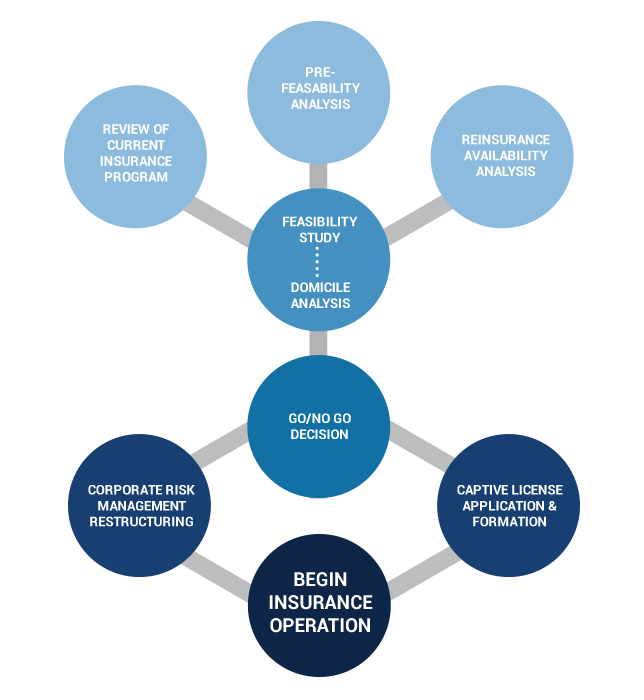
How To Set Up A Captive Insurance Company. Today, more and more multinational and local companies are exploring the many benefits of captives: Information required to determine the feasibility of implementing a captive insurance program. An introduction and background to captives a ‘captive’ insurance company is an insurance company that is established to predominately insure or reinsure the risks of its parent, or organisations affiliated with its parent(s). Step 2—conduct a captive feasibility study.
 How To Set Up a Captive Insurance Company A 5Step Primer From captive.com
How to set up a captive/commercial insurer the following represents the procedure involved in the incorporation and registration process for commercial and captive insurance companies. Setting up and managing a captive types of alternative risk financing best practice we’re here to help could a captive benefit your business? Remember, your captive is actually an insurance. The first step in establishing a captive insurance entity is choosing which captive model suits the needs of the business. It is an alternative risk transfer (art) vehicle separate from your core business that is managed by specialist service providers you outsource, and is overseen by you through the captive’s board of directors. Step 3—interview and retain a captive manager.
There are many different types of captive insurers.
Generally (though not exclusively) the consultant is an insurance broker or insurance company with experience in captives. The first step in establishing a captive insurance entity is choosing which captive model suits the needs of the business. There are five steps to starting an insurance company. Step 1—determine the likely captive structure there are many different types of captive insurers. Today, more and more multinational and local companies are exploring the many benefits of captives: This will normally include as follows:
 Source: appetiteforprofit.com
Full details of the company�s or group’s current insurance program with details of limits purchased, deductibles, premiums. While there are any number of reasons to set up a captive, let’s assume you’re already sold on the model and just want some information on how to get started. The first step in establishing a captive insurance entity is choosing which captive model suits the needs of the business. How are captive insurance companies created? Tax considerations will vary according to the domicile of both the parent company and the captive, but can form part of an overall integrated tax planning strategy.
 Source: truecaptive.com
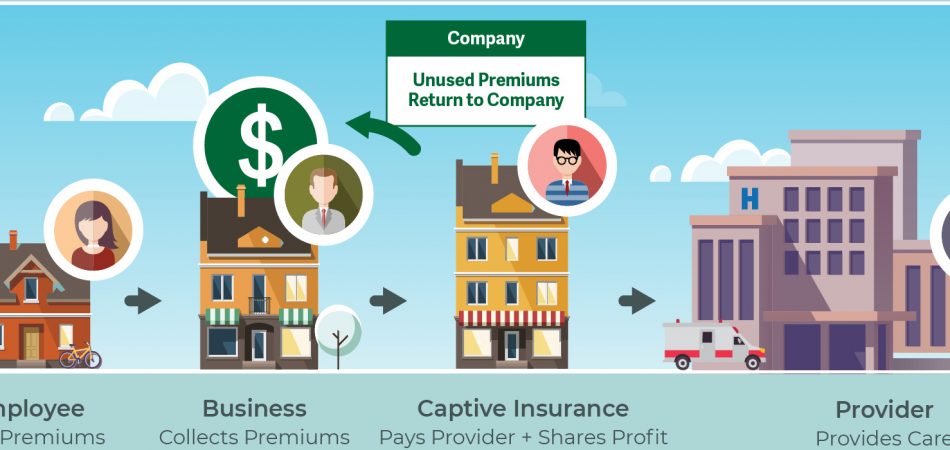
The department then reviews the insurance company financials to determine what effect taking a dividend has on the insurance company�s ratios and its ability to pay claims. When a company creates a captive they are indirectly able to evaluate the risks of subsidiaries, write policies, set premiums and ultimately either return unused funds in the form of profits, or invest them for future claim payouts. It is an alternative risk transfer (art) vehicle separate from your core business that is managed by specialist service providers you outsource, and is overseen by you through the captive’s board of directors. Typically, the parent engages an outside consultant to conduct a feasibility review. How to set up a captive/commercial insurer the following represents the procedure involved in the incorporation and registration process for commercial and captive insurance companies.
 Source: irsmedic.com
Why set up an offshore captive insurance company? It is an alternative risk transfer (art) vehicle separate from your core business that is managed by specialist service providers you outsource, and is overseen by you through the captive’s board of directors. To begin the dividend process, the captive owner (or captive owners) asks the captive insurance manager to seek approval from the department of insurance. Please note that the registrar of companies is a separate. Step 1—determine the likely captive structure there are many different types of captive insurers.
 Source: venturecaptive.com
For example, research shows that about 80% of the standard and poor 500 (s&p 500) companies own one or more captive insurance companies. Step 3—interview and retain a captive manager. There are five steps to starting an insurance company. An introduction and background to captives a ‘captive’ insurance company is an insurance company that is established to predominately insure or reinsure the risks of its parent, or organisations affiliated with its parent(s). There are many different types of captive insurers.
 Source: truecaptive.com
Typically, the parent engages an outside consultant to conduct a feasibility review. An introduction and background to captives a ‘captive’ insurance company is an insurance company that is established to predominately insure or reinsure the risks of its parent, or organisations affiliated with its parent(s). This will normally include as follows: By creating a single, holistic platform for risk At the same time, you need to allocate capital to.
 Source: canadianunderwriter.ca
In essence, the captive becomes “the insurance department” within your organisation and its subsidiaries. While there are any number of reasons to set up a captive, let’s assume you’re already sold on the model and just want some information on how to get started. How to set up a captive/commercial insurer the following represents the procedure involved in the incorporation and registration process for commercial and captive insurance companies. Today, over 7000 captive insurance entities are domiciled worldwide, with more being added nearly every day. Step 2—conduct a captive feasibility study.
 Source: truecaptive.com
How to set up a captive/commercial insurer the following represents the procedure involved in the incorporation and registration process for commercial and captive insurance companies. Please note that the registrar of companies is a separate. Information required to determine the feasibility of implementing a captive insurance program. In essence, the captive becomes “the insurance department” within your organisation and its subsidiaries. The first step in establishing a captive insurance entity is choosing which captive model suits the needs of the business.
 Source: capterrarisk.com
Step 2—conduct a captive feasibility study. How to set up a captive/commercial insurer the following represents the procedure involved in the incorporation and registration process for commercial and captive insurance companies. Today, more and more multinational and local companies are exploring the many benefits of captives: The department then reviews the insurance company financials to determine what effect taking a dividend has on the insurance company�s ratios and its ability to pay claims. A corporation with one or more subsidiaries sets up a captive insurance company as a wholly owned subsidiary.
 Source: truecaptive.com
Begin the process by deciding on which model of captive best suits your needs (association, group, micro, etc.) 2. When a company creates a captive they are indirectly able to evaluate the risks of subsidiaries, write policies, set premiums and ultimately either return unused funds in the form of profits, or invest them for future claim payouts. Step 1—determine the likely captive structure there are many different types of captive insurers. How to set up a captive/commercial insurer the following represents the procedure involved in the incorporation and registration process for commercial and captive insurance companies. Step 3—interview and retain a captive manager.
 Source: businesspartnermagazine.com
Captive insurance companies sometimes insure the risks of the group�s customers. First, if one of the legitimate goals of setting up a captive insurance company is to combat rising premium costs, then premiums to the captive insurance company should go down compared with those of previous commercial coverage, not up. First, congratulations on your decision to take control of your company’s risks! When a company creates a captive they are indirectly able to evaluate the risks of subsidiaries, write policies, set premiums and ultimately either return unused funds in the form of profits, or invest them for future claim payouts. Step 3—interview and retain a captive manager.
 Source: venturecaptive.com
A corporation with one or more subsidiaries sets up a captive insurance company as a wholly owned subsidiary. First, if one of the legitimate goals of setting up a captive insurance company is to combat rising premium costs, then premiums to the captive insurance company should go down compared with those of previous commercial coverage, not up. First, congratulations on your decision to take control of your company’s risks! Information required to determine the feasibility of implementing a captive insurance program. Step 1—determine the likely captive structure there are many different types of captive insurers.
 Source: captive.com
In essence, the captive becomes “the insurance department” within your organisation and its subsidiaries. The first step in establishing a captive insurance entity is choosing which captive model suits the needs of the business. Step 2—conduct a captive feasibility study. A “captive” is a licensed insurance company utilized to insure a wide range of risks depending on business needs. Tax considerations will vary according to the domicile of both the parent company and the captive, but can form part of an overall integrated tax planning strategy.
 Source: maicompmastery.com
Information required to determine the feasibility of implementing a captive insurance program. To begin the dividend process, the captive owner (or captive owners) asks the captive insurance manager to seek approval from the department of insurance. Please note that the registrar of companies is a separate. At the same time, you need to allocate capital to. Step 3—interview and retain a captive manager.
 Source: cmcaptives.com
Step 1—determine the likely captive structure there are many different types of captive insurers. The first step in establishing a captive insurance entity is choosing which captive model suits the needs of the business. First, if one of the legitimate goals of setting up a captive insurance company is to combat rising premium costs, then premiums to the captive insurance company should go down compared with those of previous commercial coverage, not up. Are you wondering how to set up a captive insurance company? During the formation process, you need to select a domicile that will ensure efficiency while also giving you the flexibility you need.
 Source: proassetprotection.com
Step 3—interview and retain a captive manager. An introduction and background to captives a ‘captive’ insurance company is an insurance company that is established to predominately insure or reinsure the risks of its parent, or organisations affiliated with its parent(s). Typically, the parent engages an outside consultant to conduct a feasibility review. So, the first step in setting one up is to determine which type of captive might be most suitable for your risk management needs. Tax benefits and savings on insurance premiums are two of the many reasons that attract so many businesspeople to set up such a captive insurance company.
 Source: youtube.com
At its most basic level a “pure” captive works like this: Tax considerations will vary according to the domicile of both the parent company and the captive, but can form part of an overall integrated tax planning strategy. Typically, the parent engages an outside consultant to conduct a feasibility review. It is an alternative risk transfer (art) vehicle separate from your core business that is managed by specialist service providers you outsource, and is overseen by you through the captive’s board of directors. There are many different types of captive insurers.
 Source: pinterest.com
Begin the process by deciding on which model of captive best suits your needs (association, group, micro, etc.) 2. First, if one of the legitimate goals of setting up a captive insurance company is to combat rising premium costs, then premiums to the captive insurance company should go down compared with those of previous commercial coverage, not up. So, the first step in setting one up is to determine which type of captive might be most suitable for your risk management needs. During the formation process, you need to select a domicile that will ensure efficiency while also giving you the flexibility you need. Step 1—determine the likely captive structure.
 Source: benefitcorp.com
Step 3—interview and retain a captive manager. At the same time, you need to allocate capital to. Please note that the registrar of companies is a separate. There are many different types of captive insurers. Step 2—conduct a captive feasibility study.
This site is an open community for users to submit their favorite wallpapers on the internet, all images or pictures in this website are for personal wallpaper use only, it is stricly prohibited to use this wallpaper for commercial purposes, if you are the author and find this image is shared without your permission, please kindly raise a DMCA report to Us.
If you find this site good, please support us by sharing this posts to your own social media accounts like Facebook, Instagram and so on or you can also bookmark this blog page with the title how to set up a captive insurance company by using Ctrl + D for devices a laptop with a Windows operating system or Command + D for laptops with an Apple operating system. If you use a smartphone, you can also use the drawer menu of the browser you are using. Whether it’s a Windows, Mac, iOS or Android operating system, you will still be able to bookmark this website.