Your Captive insurance vs self insurance umbrella are ready in this website. Captive insurance vs self insurance are a coverage that is most popular and liked by everyone now. You can Get the Captive insurance vs self insurance files here. Find and Download all free investment.
If you’re looking for captive insurance vs self insurance images information connected with to the captive insurance vs self insurance topic, you have visit the ideal blog. Our site frequently provides you with suggestions for seeking the highest quality video and picture content, please kindly hunt and locate more informative video articles and images that match your interests.
Captive Insurance Vs Self Insurance. A captive operates like a traditional insurance company and is subject to state regulatory requirements, albeit potentially less onerous than commercial market ones. It instead spends that money on an insurance company. This does not mean captive insurance is the solution to your problems. Requirements include financial reporting, capital/ solvency support, reserve adequacy, and an annual actuarial opinion.
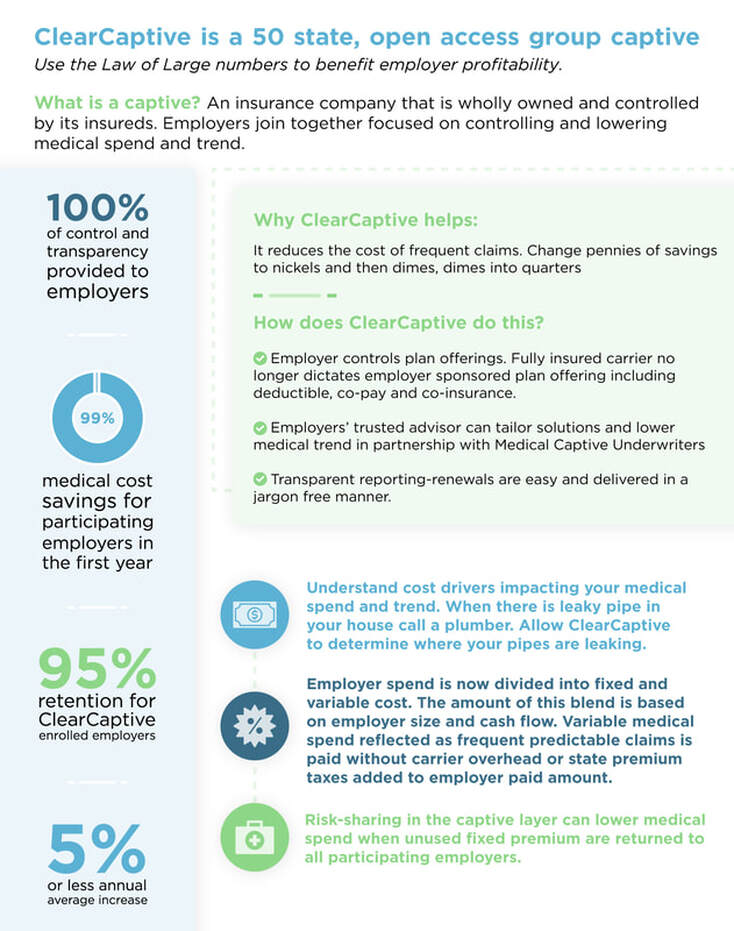 What is ClearCaptive Employee Health Insurance From medicalcaptive.com
However, captive insurance is a bit complex and expensive to maintain. A captive insurer is an insurance company set up by a company or organization to insure that one company or organization exclusively. If employees incur exceptionally high claims or unexpected medical issues, you will be responsible for processing them. A captive operates like a traditional insurance company and is subject to state regulatory requirements, albeit potentially less onerous than commercial market ones. By creating their own insurance company, the parent. In a captive insurance arrangement, however, the insured creates a more formal arrangement for insuring against its unique business risks via the creation of its own insurance company.
Health insurance costs are on the rise.
Captive owners typically earn investment income on premium and any cash collateral during the period whereby losses are paid. In short, captive health insurance resides in a subsidiary company of the parent. If employees incur exceptionally high claims or unexpected medical issues, you will be responsible for processing them. Captive insurance, on the other hand, is more formal because it is a small insurance company. A captive insurer is an insurance company set up by a company or organization to insure that one company or organization exclusively. Last week, we defined what an insurance captive is and the 3 most common types of captives.
 Source: everlongcaptive.com
Connecticut does not regulate captive insurers. The principal benefit of captive insurance over self insurance is that depending on the policy limits that a company purchases, captive insurance can often cover a much larger percentage of. These points do not clearly distinguish the captive insurer from a mutual insurance company. However, captive insurance is a bit complex and expensive to maintain. Captive owners typically earn investment income on premium and any cash collateral during the period whereby losses are paid.
 Source: captiveinternational.com
The group is supposed to pay premiums to their. Its primary purpose is to insure the risks of its owners, and its insureds benefit from the captive insurer�s underwriting profits. These points do not clearly distinguish the captive insurer from a mutual insurance company. The main purpose of doing so is to avoid using traditional commercial insurance companies, which have volatile pricing and may not meet the specific needs of the company. It instead spends that money on an insurance company.
Source: medicalcaptive.com
An example of captive insurance is when a group of farmers create their own captive insurance company to protect themselves from financial losses due to crop destruction. It is, however, the better choice if you like the idea of general instance but want the ability. An example of captive insurance is when a group of farmers create their own captive insurance company to protect themselves from financial losses due to crop destruction. The group is supposed to pay premiums to their. Captive owners typically earn investment income on premium and any cash collateral during the period whereby losses are paid.
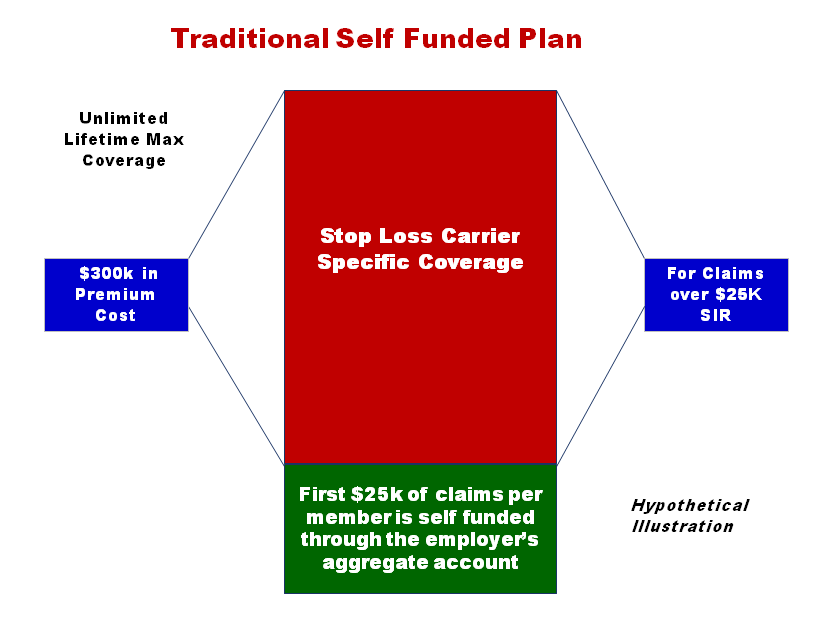 Source: sawgrassbenefits.com
These points do not clearly distinguish the captive insurer from a mutual insurance company. The main purpose of doing so is to avoid using traditional commercial insurance companies, which have volatile pricing and may not meet the specific needs of the company. In short, captive health insurance resides in a subsidiary company of the parent. In a captive insurance arrangement, however, the insured creates a more formal arrangement for insuring against its unique business risks via the creation of its own insurance company. Connecticut does not regulate captive insurers.
 Source: researchgate.net
If employees incur exceptionally high claims or unexpected medical issues, you will be responsible for processing them. This does not mean captive insurance is the solution to your problems. A captive insurer is generally defined as an insurance company that is wholly owned and controlled by its insureds; Last week, we defined what an insurance captive is and the 3 most common types of captives. Captive insurance operates according to principles similar to self insurance, but captive insurance is a bit more complicated and costly to maintain.
 Source: pinterest.com
A captive insurer is an insurance company set up by a company or organization to insure that one company or organization exclusively. In short, captive health insurance resides in a subsidiary company of the parent. It instead spends that money on an insurance company. Its primary purpose is to insure the risks of its owners, and its insureds benefit from the captive insurer�s underwriting profits. Captives typically will fund anticipated losses upfront in the form of premiums.
 Source: benefitcorp.com
It instead spends that money on an insurance company. A captive insurer is an insurance company set up by a company or organization to insure that one company or organization exclusively. These points do not clearly distinguish the captive insurer from a mutual insurance company. In short, captive health insurance resides in a subsidiary company of the parent. It instead spends that money on an insurance company.
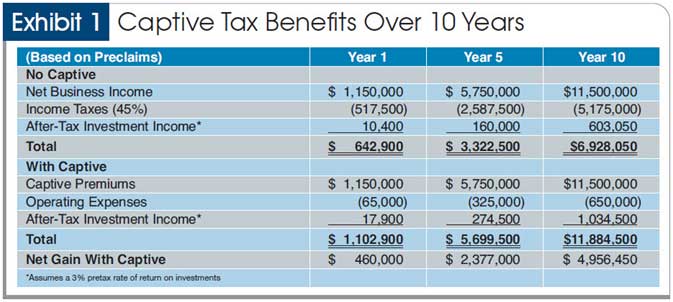 Source: capstoneassociated.com
The main purpose of doing so is to avoid using traditional commercial insurance companies, which have volatile pricing and may not meet the specific needs of the company. It is, however, the better choice if you like the idea of general instance but want the ability. Captive owners typically earn investment income on premium and any cash collateral during the period whereby losses are paid. In short, captive health insurance resides in a subsidiary company of the parent. A captive insurer is generally defined as an insurance company that is wholly owned and controlled by its insureds;
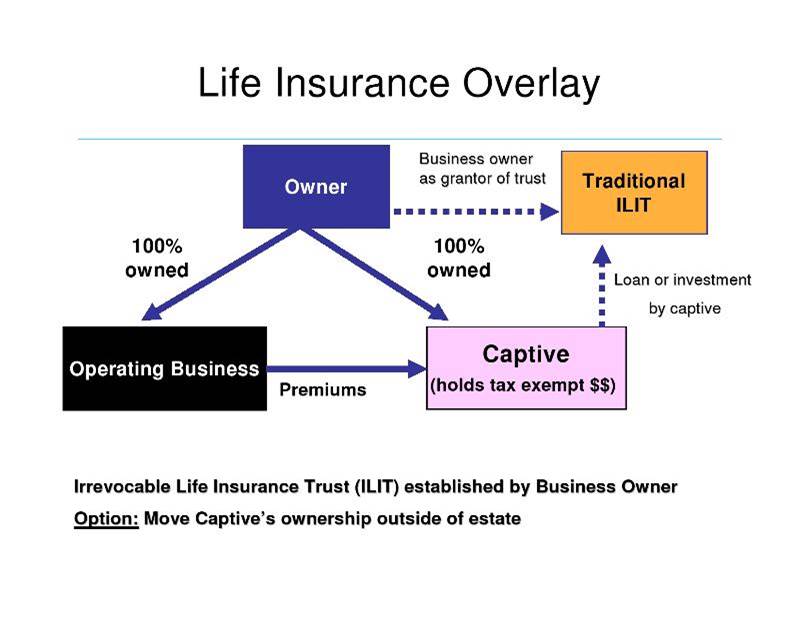 Source: capstoneassociated.com
When insurance is available only at a high price, organizations shift from a commercial insurer to retention. When insurance is available only at a high price, organizations shift from a commercial insurer to retention. If employees incur exceptionally high claims or unexpected medical issues, you will be responsible for processing them. Health insurance costs are on the rise. Connecticut does not regulate captive insurers.
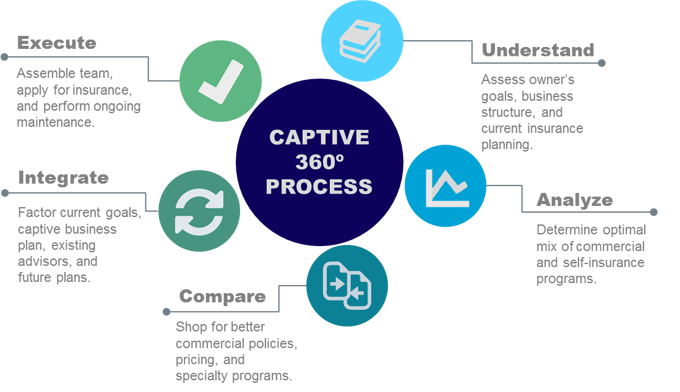 Source: unityfinancial.net
Captive insurance, on the other hand, is more formal because it is a small insurance company. Connecticut does not regulate captive insurers. It is, however, the better choice if you like the idea of general instance but want the ability. These points do not clearly distinguish the captive insurer from a mutual insurance company. It instead spends that money on an insurance company.
 Source: captivenation.com
Its primary purpose is to insure the risks of its owners, and its insureds benefit from the captive insurer�s underwriting profits. A captive insurer is generally defined as an insurance company that is wholly owned and controlled by its insureds; That action may save some cash for the insurers, but it can also cause. A captive operates like a traditional insurance company and is subject to state regulatory requirements, albeit potentially less onerous than commercial market ones. The principal benefit of captive insurance over self insurance is that depending on the policy limits that a company purchases, captive insurance can often cover a much larger percentage of.
 Source: captivenation.com
It instead spends that money on an insurance company. The principal benefit of captive insurance over self insurance is that depending on the policy limits that a company purchases, captive insurance can often cover a much larger percentage of. An example of captive insurance is when a group of farmers create their own captive insurance company to protect themselves from financial losses due to crop destruction. Requirements include financial reporting, capital/ solvency support, reserve adequacy, and an annual actuarial opinion. It instead spends that money on an insurance company.
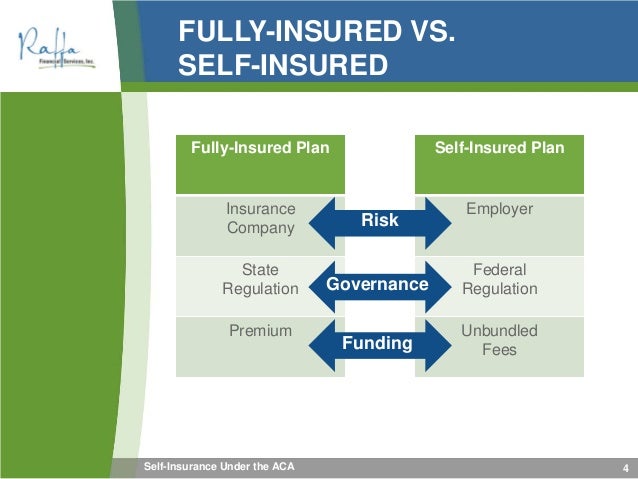 Source: slideshare.net
The group is supposed to pay premiums to their. Captive insurance operates according to principles similar to self insurance, but captive insurance is a bit more complicated and costly to maintain. It instead spends that money on an insurance company. Health insurance costs are on the rise. A captive operates like a traditional insurance company and is subject to state regulatory requirements, albeit potentially less onerous than commercial market ones.
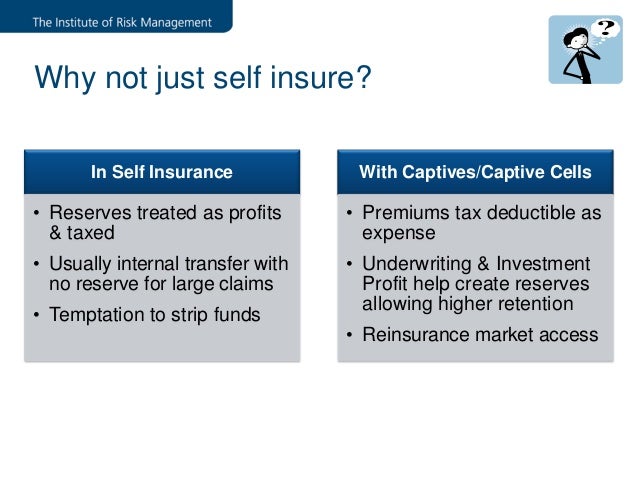 Source: slideshare.net
An example of captive insurance is when a group of farmers create their own captive insurance company to protect themselves from financial losses due to crop destruction. These points do not clearly distinguish the captive insurer from a mutual insurance company. Last week, we defined what an insurance captive is and the 3 most common types of captives. Connecticut does not regulate captive insurers. Captive insurance operates according to principles similar to self insurance, but captive insurance is a bit more complicated and costly to maintain.
 Source: slideserve.com
A captive operates like a traditional insurance company and is subject to state regulatory requirements, albeit potentially less onerous than commercial market ones. If employees incur exceptionally high claims or unexpected medical issues, you will be responsible for processing them. Its primary purpose is to insure the risks of its owners, and its insureds benefit from the captive insurer�s underwriting profits. An example of captive insurance is when a group of farmers create their own captive insurance company to protect themselves from financial losses due to crop destruction. Connecticut does not regulate captive insurers.
 Source: captivenation.us
Its primary purpose is to insure the risks of its owners, and its insureds benefit from the captive insurer�s underwriting profits. Last week, we defined what an insurance captive is and the 3 most common types of captives. A captive insurance company is a subsidiary of a business owner (s) company that writes the insurance policies for the business owner’s company. Captive insurance operates according to principles similar to self insurance, but captive insurance is a bit more complicated and costly to maintain. The main purpose of doing so is to avoid using traditional commercial insurance companies, which have volatile pricing and may not meet the specific needs of the company.
 Source: capstoneassociated.com
It is, however, the better choice if you like the idea of general instance but want the ability. Connecticut does not regulate captive insurers. Requirements include financial reporting, capital/ solvency support, reserve adequacy, and an annual actuarial opinion. The main purpose of doing so is to avoid using traditional commercial insurance companies, which have volatile pricing and may not meet the specific needs of the company. A captive insurer is an insurance company set up by a company or organization to insure that one company or organization exclusively.
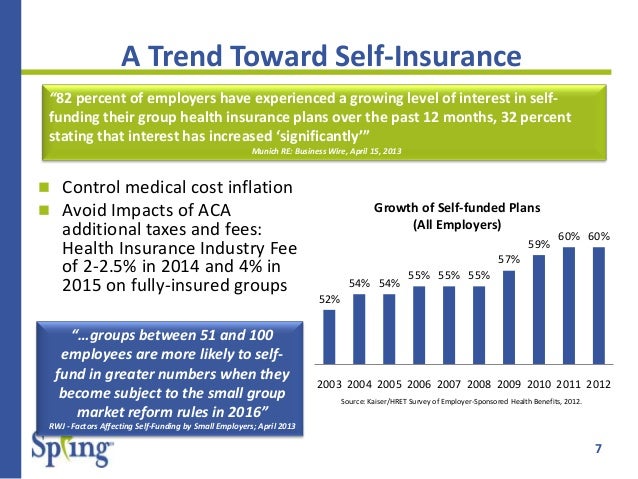 Source: slideshare.net
The principal benefit of captive insurance over self insurance is that depending on the policy limits that a company purchases, captive insurance can often cover a much larger percentage of. Captive insurance operates according to principles similar to self insurance, but captive insurance is a bit more complicated and costly to maintain. Its primary purpose is to insure the risks of its owners, and its insureds benefit from the captive insurer�s underwriting profits. The main purpose of doing so is to avoid using traditional commercial insurance companies, which have volatile pricing and may not meet the specific needs of the company. Captive insurance, on the other hand, is more formal because it is a small insurance company.
This site is an open community for users to do submittion their favorite wallpapers on the internet, all images or pictures in this website are for personal wallpaper use only, it is stricly prohibited to use this wallpaper for commercial purposes, if you are the author and find this image is shared without your permission, please kindly raise a DMCA report to Us.
If you find this site beneficial, please support us by sharing this posts to your favorite social media accounts like Facebook, Instagram and so on or you can also bookmark this blog page with the title captive insurance vs self insurance by using Ctrl + D for devices a laptop with a Windows operating system or Command + D for laptops with an Apple operating system. If you use a smartphone, you can also use the drawer menu of the browser you are using. Whether it’s a Windows, Mac, iOS or Android operating system, you will still be able to bookmark this website.